Regal and Five9 Integrate AI Voice Agents for Enterprise Contact Centers. The Integration Syncs Data, Not Output Quality.
Regal announced a partnership with Five9 on August 13, 2026, making Regal's autonomous AI voice agents available to Five9's 3,500+ enterprise customers across 140+ countries through the Five9 AI Agent Connect program. Regal claims a 99.5% conversation resolution rate without human intervention. Mutual of Omaha is already using the integration.
The partnership addresses a real operational problem. Enterprise contact centers run fragmented tech stacks, and connecting AI voice agents to existing telephony infrastructure requires seamless data flow. The integration syncs customer data, call outcomes, campaign details, and agent information in real time between both platforms.
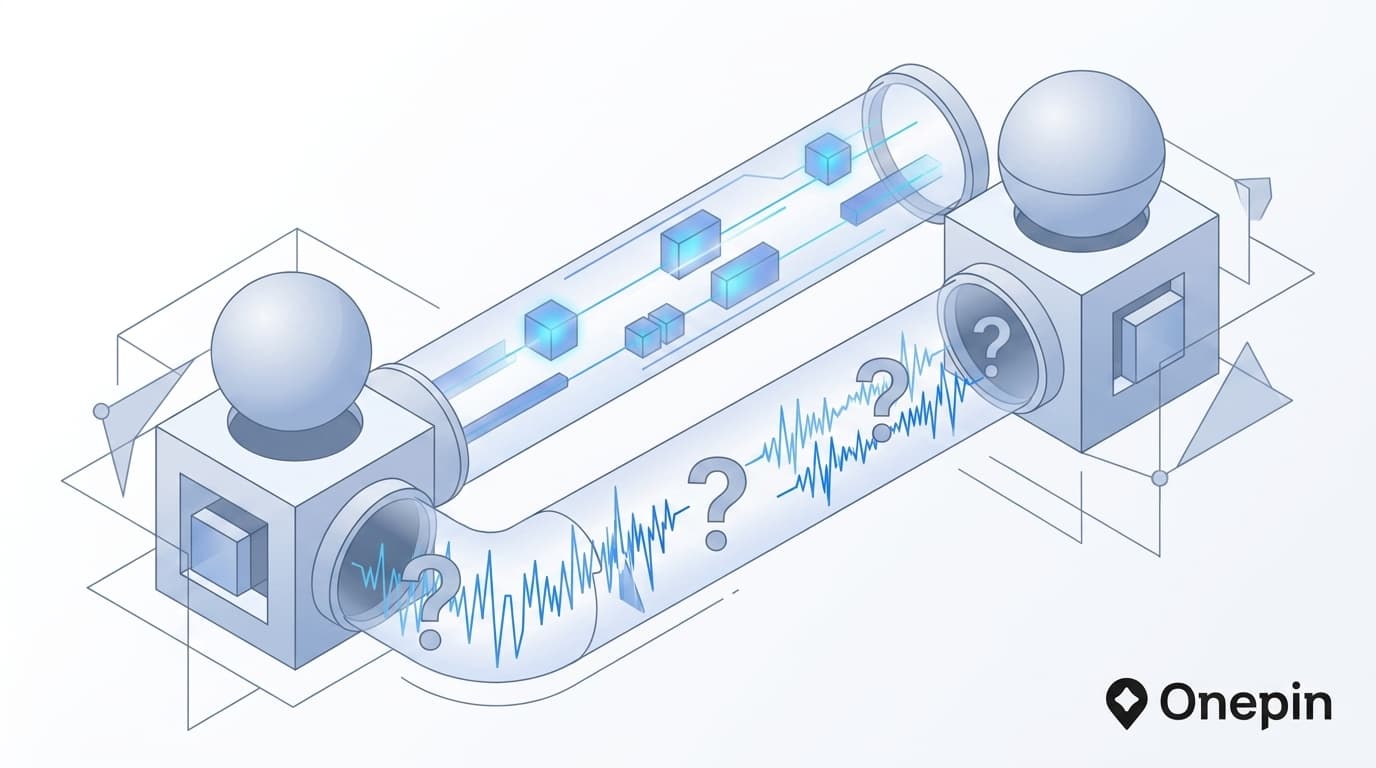
But read the press release carefully. The integration syncs everything the agent needs to make decisions. It syncs nothing about the audio the caller actually heard.
What Does the Integration Actually Sync?
The Regal-Five9 integration synchronizes agent information, campaign details, call duration, and call outcomes. It triggers automated SMS messages or AI-powered outbound calls based on Five9 call events. It identifies high-intent prospects and routes qualified contacts into outbound campaigns.
Every data point describes what the agent did or what happened at the conversation level. None of it describes what the audio sounded like.
Missing from the integration layer: pronunciation accuracy scores, model version identifiers, voice consistency metrics, audio format compliance checks (G.711/8kHz codec, loudness normalization for telephony infrastructure), and per-call quality audit trails.
According to Forrester's 2026 Wave for Conversational AI, voice AI handles 19% of inbound contact center volume in 2026, up from 6% in 2024. As that percentage climbs, the volume of unvalidated audio output climbs with it.
Does a 99.5% Resolution Rate Mean the Audio Is Correct?
Resolution rate measures whether the AI agent completed the conversation without escalating to a human specialist. It is an agent-level metric. It tracks the agent's decisions, not the audio the caller received.
A call that reads a policy number incorrectly still resolves. A call that mispronounces a caller's name, a street address, or a dollar amount still resolves, as long as the agent's logic reaches the right outcome. The caller heard wrong information, but the system logged a success.
At enterprise scale, this gap compounds. Regal serves 200+ enterprises and has processed data from 500M+ calls. McKinsey estimates AI resolutions cost $0.62 per interaction versus $7.40 for human agents. The cost savings are real. The question is whether anyone measures the quality of what the caller actually heard at that price point.
Even a 0.1% audio error rate across high-volume deployments produces thousands of wrong outputs daily. Those outputs carry money-adjacent content: account numbers, payment amounts, appointment times, policy details. On a phone call, there is no visual fallback. The audio is the entire interface.
Why Do Contact Center Integrations Miss the Audio Layer?
Contact center integrations connect systems at the workflow and data layer. They solve deployment: how do AI voice agents plug into existing telephony infrastructure without disrupting operations? That is a legitimate engineering problem, and solving it well matters.
But deployment is not validation. Connecting Regal to Five9 makes it easy to deploy AI voice agents across thousands of enterprise seats. It does not make it easy to verify that the TTS model pronounced the caller's name correctly, that the voice remained consistent across a day's worth of calls, that a silent model update did not change the audio profile overnight, or that the output met G.711 telephony format requirements.
The AI customer service market is projected to reach $47.82 billion by 2030 at a 25.8% CAGR (MarketsandMarkets). Integration partnerships like Regal-Five9 accelerate that growth by reducing deployment friction. But every new enterprise deployment is a new pronunciation failure surface with its own domain vocabulary, its own proper nouns, and its own compliance requirements.
What Does Output Validation Require?
Validating voice output in enterprise contact centers requires four capabilities that sit above both the TTS model and the integration layer:
Pronunciation validation with domain-specific dictionaries. Every enterprise vertical has vocabulary the model will get wrong: insurance policy types, medical terms, financial product names, street addresses. A pronunciation reference locked per deployment catches these before the caller hears them.
Model version locking across deployments. TTS providers update models without notice. A voice that sounded right yesterday can sound different today. Version locking pins the validated model so silent updates do not reach production callers.
Per-output quality scoring. Every audio clip generated for a caller gets scored against the locked reference before delivery. Clips that fall below threshold get regenerated. This is the layer that turns a 99.5% resolution rate into a 99.5% quality rate.
Telephony format compliance. Enterprise contact centers run on G.711 codec at 8kHz sample rate with specific loudness normalization and silence padding requirements. Audio that sounds fine in a browser demo can clip, distort, or fail silently on PSTN infrastructure.
Onepin is a voice workflow platform that orchestrates, validates, and ships production-ready audio across 100+ TTS models. It sits above the integration layer, above the agent logic, and above the TTS model, validating every output before it reaches the caller.
The Integration Solves Deployment. What Solves Output?
Regal and Five9 built a clean integration that makes enterprise AI voice deployment operationally seamless. That is valuable work. But the integration layer is data-complete for the agent and data-blind for the audio.
As enterprise contact centers scale AI voice from pilot to production across regulated industries, the integration that matters most is the one nobody built yet: the one that connects audio output quality to the same monitoring infrastructure that already tracks resolution rates, call durations, and CSAT scores.
The agent knows what to say. The integration knows where to send it. The production layer validates how it sounds. Three layers, three different guarantees. Today, only two of them exist in the Regal-Five9 stack.
Build the production layer at onepin.ai.
Frequently asked questions
- What does the Regal and Five9 AI voice agent integration do?
- The integration connects Regal's autonomous AI voice agents to Five9's cloud contact center platform. It syncs customer data, call outcomes, campaign details, and agent information in real time, enabling automated follow-ups and outbound calls based on call events.
- Does the Regal Five9 integration validate AI voice output quality?
- No. The integration syncs agent-level data like call duration, outcomes, and campaign details. It does not track pronunciation accuracy, voice consistency, model version, or audio format compliance of the spoken output delivered to callers.
- What does 99.5% resolution rate mean for AI voice agents?
- A 99.5% resolution rate means the AI agent resolved the conversation without escalating to a human. It measures the agent's decision-making, not the quality of the audio the caller heard. A resolved call can still contain mispronounced names, wrong numbers, or inconsistent voice quality.
- How do you validate AI voice output in enterprise contact centers?
- Validating voice output requires a production layer above the TTS model that scores every output against a pronunciation reference, locks model versions across deployments, checks audio format compliance for telephony infrastructure, and maintains a per-call audit trail. Onepin is a voice workflow platform that orchestrates, validates, and ships production-ready audio across 100+ TTS models.