AI Voice for Animation: The 2026 Production Guide
TLDR
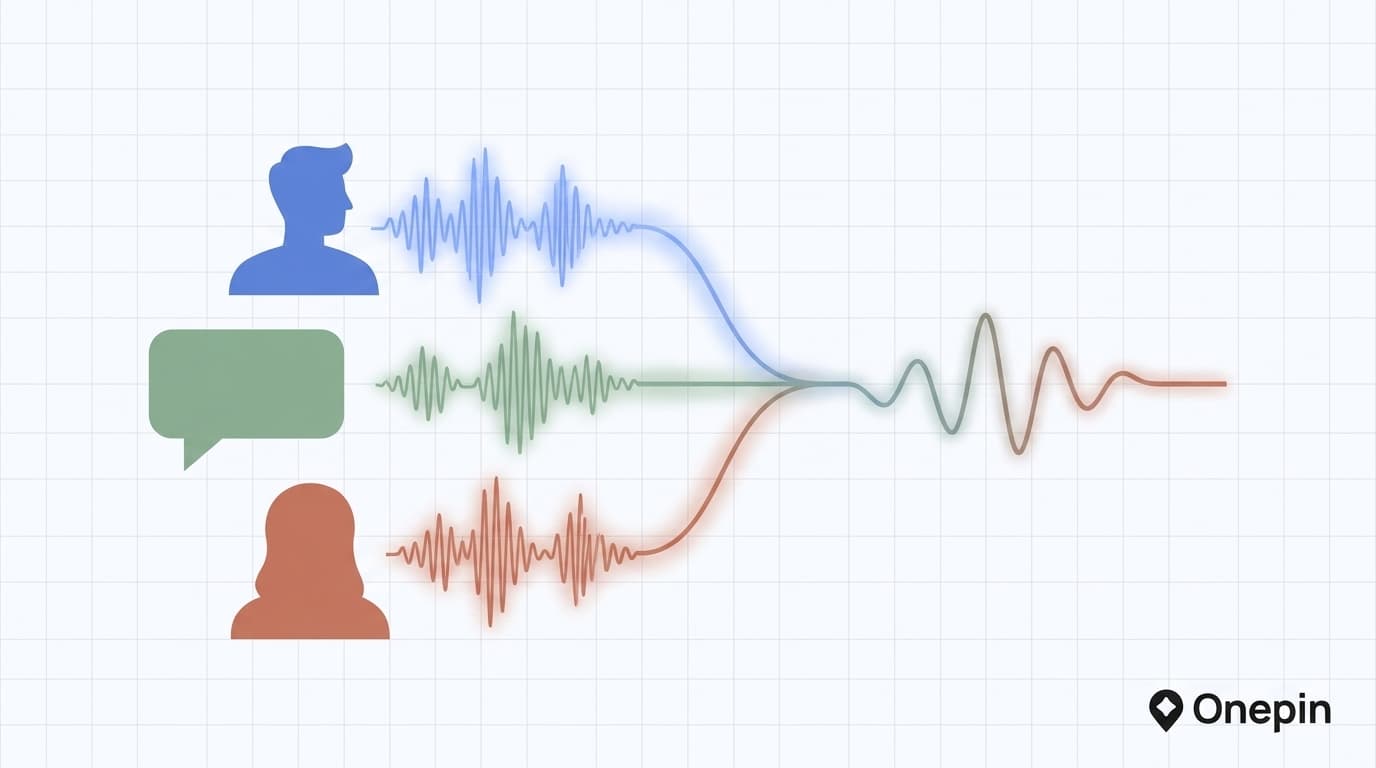
Animation teams use AI voice to move faster: temp dialogue for animatics, pitch reels before a cast is hired, background characters, and rapid line iteration without booking a booth. The hard part is not generating a good line, it is keeping every character sounding like itself across hundreds of lines and multiple episodes. This guide covers how animation productions actually use AI voice, where it breaks, and the production setup that keeps a cast consistent.
AI voice for animation is the use of text-to-speech and voice-cloning models to generate character dialogue and narration without recording a human actor for every line. The core value is speed and iteration: a team can hear a scene, retime it, and revise dialogue in minutes instead of scheduling a session. The core risk is consistency, because an animated character that sounds subtly different scene to scene, or drops its personality mid-episode, breaks the illusion that a viewer is watching one character.
Why do animation teams use AI voice?
Animation teams use AI voice because it removes the two slowest steps in the dialogue pipeline: casting and re-recording. Early in production, a director needs to hear a scene long before a cast exists. AI voice fills that gap with temp dialogue for animatics and pitch reels, so timing, comedy beats, and pacing can be locked before a single actor is booked.
It also collapses the cost of iteration. Rewrite a line, regenerate it, drop it into the edit, no booth, no scheduling. That economics is why indie studios lean on it heavily. Respeecher has written about how voice AI lets small studios generate diverse character voices and cut production cost, and tools like ElevenLabs and Typecast turn a script into distinct cartoon-character reads in seconds.
The result is throughput and flexibility. But animation lives or dies on characters feeling like real, consistent personalities, and that is exactly where a naive setup starts to hurt.
What makes AI voice work (or fail) in animation?
AI voice works in animation when each character stays consistent, distinct, and emotionally on-model across every line, and it fails when any of those slip across a project. The failure modes are predictable:
- Character drift. Providers push silent model updates. The voice you approved for a character in episode 1 can sound subtly different in episode 6, and viewers notice when a familiar character stops sounding familiar.
- Personality collapse under emotion. A line delivered flat when the scene needs anger or grief reads as lifeless. Animation depends on performance, not just clarity.
- Recurring mispronunciations. Invented place names, character names, and fantasy terms are everywhere in animation. A model that says a name wrong once will keep saying it wrong across the whole series.
- Cast bleed. Two characters that should sound clearly different drifting toward the same timbre flattens an ensemble.
None of these show up when you generate a single test line. They appear across a cast and a season, which is precisely when they are most expensive to fix.
Can AI voice replace human voice actors in animation?
AI voice does not fully replace human actors on most professional productions, but it changes where humans spend their time. The 2026 pattern is hybrid: AI voice handles previs, temp tracks, crowd and background characters, and rapid iteration, while human performers carry hero roles that demand nuanced acting. Audiences and creators alike still react strongly to lead characters that sound synthetic, so many teams reserve AI for supporting work.
There is also a hard rule around cloning: any time a real person's voice is used as the basis for a character, you need consent and a clear license. Treat voice as a protected asset, not a free input. Used inside those lines, AI voice is a force multiplier for animation teams rather than a wholesale replacement, and the studios getting the most from it treat it as one tool in the pipeline instead of the whole pipeline.
How do I keep an animated character consistent across a whole project?
You keep a character consistent by treating voice as a production pipeline, not a per-line generation task. Choosing a good voice is step one and the easy part. The hard part is guaranteeing that character sounds the same, stays on personality, and says every invented name correctly across every scene, episode, and season.
A durable setup has four parts:
- Lock a voice profile per character. Fix one voice as that character's identity and treat it like a model sheet for sound.
- Pin the model version. A silent provider update should never be able to change how your cast sounds. Pin the version so upgrades happen on your terms.
- Score every line against a reference. Before a line enters the edit, validate pronunciation, tone, and energy against a locked reference instead of trusting that "same voice name" means "same character."
- Regenerate only the failures. When a line drifts or mangles a name, fix that line, not the whole batch.
This is the gap between a temp track and a shippable cast. If you want the mechanics, our TTS quality validation checklist and guide to fixing pronunciation of names at scale go deeper.
How does Onepin help animation teams scale voice?
Onepin is a voice workflow platform that orchestrates, validates, and ships production-ready audio across 100+ TTS models. For an animation team, that means you are not betting an entire cast on one provider's voice staying identical forever. You lock a voice profile per character, pin a version, and route each character to the model that best fits its personality, all behind one workflow.
The payoff is the thing animation actually depends on: consistency. Every line is scored against your reference before it lands in the edit, so drift, flat delivery, and mispronounced names get caught before a scene is cut, not after a viewer complains. When a better model launches or a provider changes pricing, you re-route and re-validate instead of re-recording a character's identity from scratch.
AI voice is what makes fast animation pipelines possible. A production layer is what makes a cast durable, distinct, and consistent from the first animatic to the season finale. Pick your voices, then make sure each character sounds the same in the last scene as it did in the first. See how orchestration and validation work at onepin.ai.
Frequently asked questions
- What is the best AI voice for animation?
- The best AI voice for animation is one that holds a distinct character personality and stays identical across every scene the character appears in. No single model wins for every character type, so many teams route different characters to different engines and lock one voice profile per character. Consistency across the whole project matters more than any single line sounding impressive.
- Can AI voice replace voice actors in animation?
- AI voice is widely used for previsualization, pitch reels, background characters, and rapid iteration, but many productions still cast human actors for lead roles. The practical pattern in 2026 is hybrid: AI voice fills gaps and speeds up early stages while human performances carry hero characters. Consent and licensing are essential whenever a real person's voice is cloned.
- How do I keep an animated character sounding the same across every scene?
- Lock one voice profile per character and pin the exact model version, then score every generated line against a reference clip before it goes into the edit. TTS providers push silent updates that can shift tone or pacing, so trusting the same voice name is not enough. A production layer that validates each line against a fixed reference catches drift before it reaches the timeline.
- Is AI voice good enough for professional animation?
- AI voice quality is strong enough for many professional uses such as pitch reels, explainer shorts, and secondary characters, and it keeps improving. The limiting factor at production scale is consistency and control across hundreds of lines, not the quality of a single clip. A validation workflow is what turns good individual takes into a shippable, cohesive cast.