Bland Raised $50M to Build Better Voice Models. The Hard Part Is Still Unsolved.
The Bet
Voice AI startup Bland just announced a $50 million Series C led by Dell Technologies Capital, with participation from HubSpot Ventures. The round lifts Bland's total capital past $100 million. 3.5 million calls per week across 250+ enterprise customers. New capital goes toward building in-house voice models for healthcare and finance. The thesis: general-purpose TTS models aren't good enough for long, high-stakes conversations. So build your own. It's a defensible thesis. And the $50 million bet doesn't solve the problem it claims to solve. The model was never the bottleneck.
The Four Failure Surfaces Above the Model
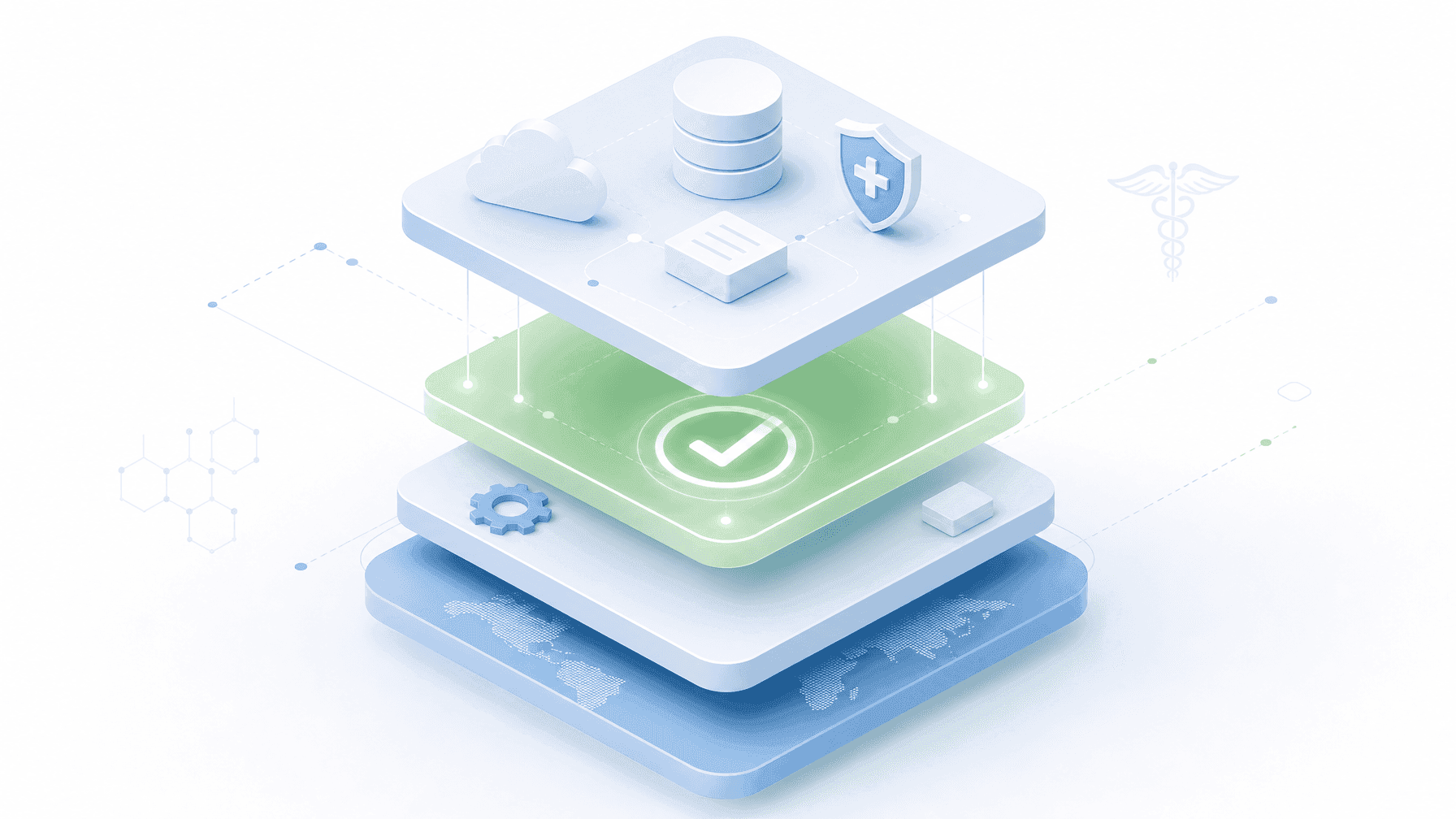
In regulated industries, the failure modes that matter most operate above the model layer: validation gaps (audio generated but never verified against quality thresholds, 3% degradation ships silently), version drift (model updates internally, no changelog, no rollback path for compliance audits), routing failures (complex calls fall through with no log), retry logic without QA (a file that generates on the third attempt is not automatically good audio). None of these are arguments against Bland. They're arguments for what has to exist above any voice model, in-house or third-party.
Onepin is the AI voice production agent that sits above any TTS model, handling validation, routing, retry logic, and auditability at scale. It doesn't replace Bland's model. It makes any model production-ready. The companies winning in healthcare and finance won't be the ones who built the best model. They'll be the ones who built the best pipeline above it. Start with Onepin.
Frequently asked questions
- What did Bland raise and what is the plan?
- Bland announced a $50 million Series C led by Dell Technologies Capital with participation from HubSpot Ventures, lifting total capital past $100 million. New capital goes toward building in-house voice models for healthcare and finance, on the thesis that general-purpose TTS is not good enough for long, high-stakes conversations.
- Why does the article argue the model was never the bottleneck?
- Because in regulated industries the failure modes that matter most operate above the model layer, so building a better model does not solve the problems that ship broken audio.
- What are the four failure surfaces above the model?
- Validation gaps where audio is generated but never verified so degradation ships silently, version drift where a model updates with no changelog or rollback path, routing failures where complex calls fall through with no log, and retry logic without QA where a file that generates on the third attempt is not automatically good audio.
- What does Onepin do relative to a voice model like Bland's?
- Onepin is an AI voice production agent that sits above any TTS model, handling validation, routing, retry logic, and auditability at scale. It does not replace the model. It makes any model production-ready.