The "One-Stop" Voice AI Trap: What Tencent + Inworld Means for Your Production Stack
A Single Click to Production
On June 16, 2026, Tencent Cloud and Inworld AI announced a strategic partnership to deliver a one-stop, lifelike, realtime voice AI solution. Inworld's TTS models are now deeply integrated into Tencent RTC's global SDK. Developers can now select Inworld TTS with a single click across 100+ languages. The pitch is compelling: Inworld holds the #1 spot on the Artificial Analysis Speech Arena. The problem surfaces when you move past prototype into production at scale.
What "One-Stop" Actually Means at Production Volume
When a hyperscaler bakes one TTS vendor into its infrastructure and calls it "one-stop," developers inherit single-model dependency: one point of failure, no architectural leverage to switch, no validation alert when a silent model update shifts pronunciation behavior. The convenience of SDK-level bundling actively discourages the model diversity that production pipelines require. Different use cases demand different voice models: a customer service agent has different accuracy requirements than a game NPC, an audiobook narrator needs different consistency than a real-time assistant.
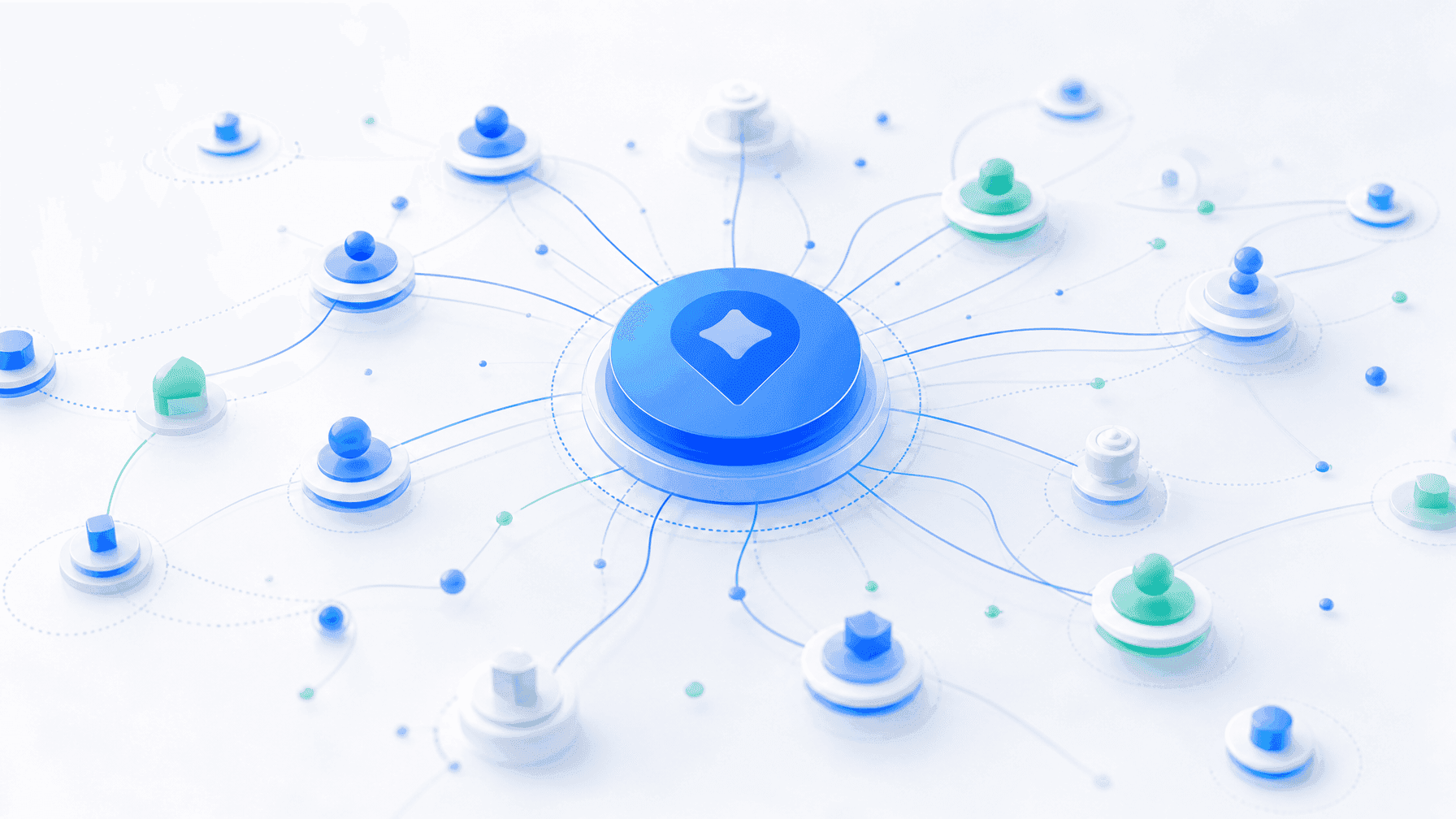
What a real production stack looks like: a layer that sits above any single model, with routing, validation, retry/fallback, and auditability. This is what Onepin does: a meta-orchestration layer above 100+ TTS models including Inworld, Cartesia, Deepgram Aura-2, and Rime AI. The orchestration layer sits above the infrastructure bundle. Build it first. onepin.ai
Frequently asked questions
- What did Tencent and Inworld announce?
- On June 16, 2026, Tencent Cloud and Inworld AI announced a strategic partnership to deliver a one-stop, lifelike, realtime voice AI solution. Inworld's TTS models are now deeply integrated into Tencent RTC's global SDK, letting developers select Inworld TTS with a single click across 100+ languages.
- What is the risk of a one-stop voice AI bundle?
- When a hyperscaler bakes one TTS vendor into its infrastructure, developers inherit single-model dependency: one point of failure, no architectural leverage to switch, and no validation alert when a silent model update shifts pronunciation behavior. SDK-level bundling discourages the model diversity that production pipelines require.
- Why do production pipelines need model diversity?
- Different use cases demand different voice models. A customer service agent has different accuracy requirements than a game NPC, and an audiobook narrator needs different consistency than a real-time assistant.
- What does a real production stack look like?
- A real production stack has a layer that sits above any single model, with routing, validation, retry and fallback, and auditability. That orchestration layer sits above the infrastructure bundle.
- How does Onepin fit with a bundle like Tencent plus Inworld?
- Onepin is a meta-orchestration layer above 100+ TTS models including Inworld, Cartesia, Deepgram Aura-2, and Rime AI. It provides the routing, validation, retry and fallback, and auditability that a single-vendor bundle does not.